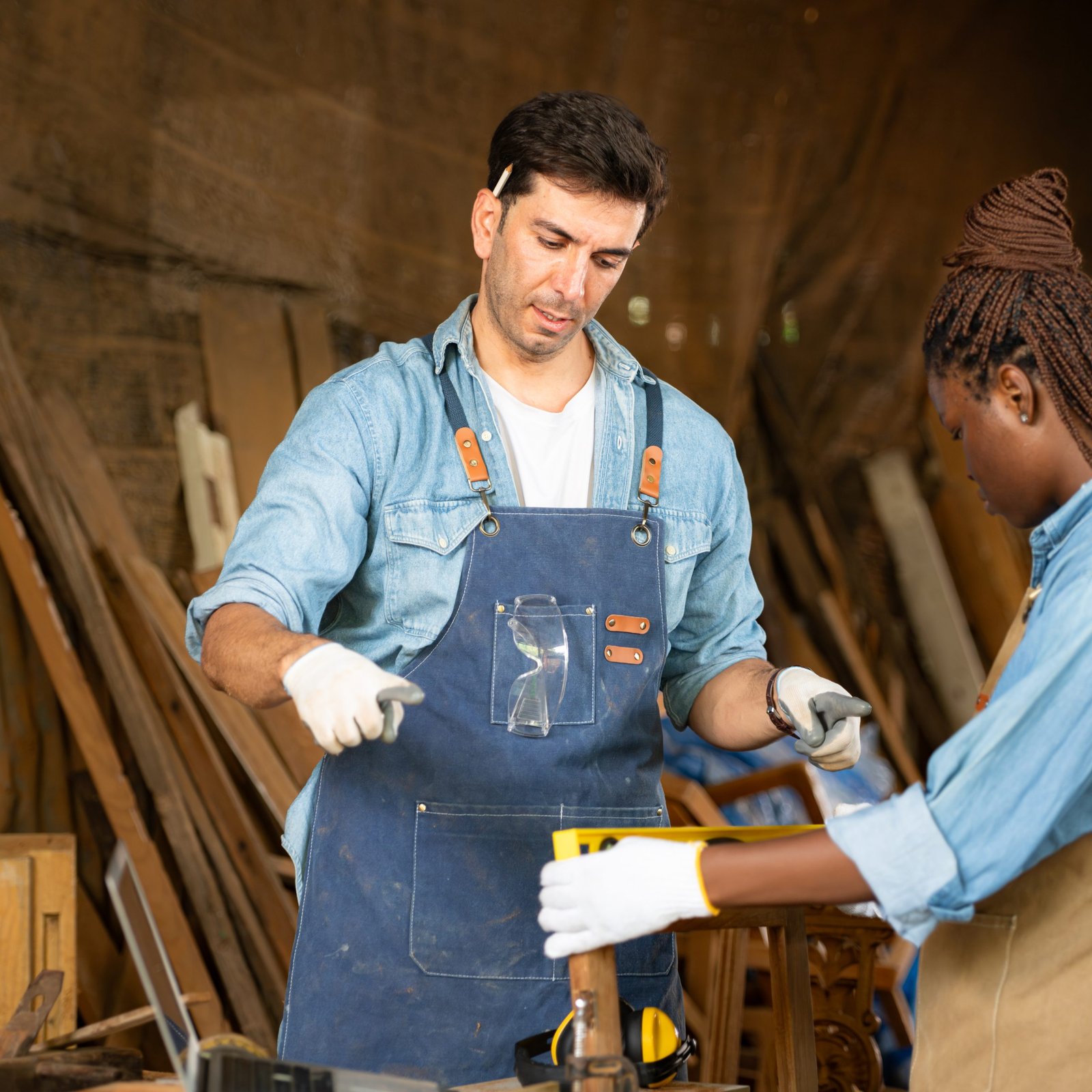
As the cost of living continues to rise, more young people are taking a closer look at career paths outside the traditional post-secondary route.
For many students, university or college has long been seen as the expected next step after high school. But with tuition, housing and other expenses becoming increasingly difficult to manage, skilled trades are emerging as an attractive alternative.
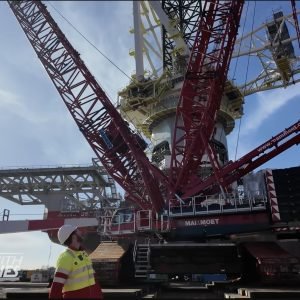
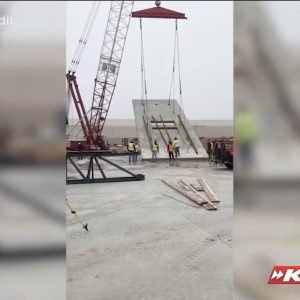
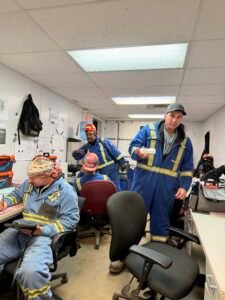
Careers in construction, electrical work, plumbing, welding and heavy equipment operation can offer hands on experience, strong job prospects and the opportunity to earn while learning. Apprenticeships allow young workers to develop practical skills on the job while completing the classroom requirements needed for certification.
The shift is also challenging outdated perceptions about trades. Skilled workers are essential to building homes, maintaining infrastructure and supporting communities, yet the value of their work has not always received the same recognition as careers requiring a university degree.
For some young people, the trades offer a more direct route into the workforce. Instead of spending several years studying before entering their chosen profession, apprentices can begin gaining experience and earning an income early in their careers.
That does not mean post-secondary education is no longer important. Rather, students are increasingly considering their interests, financial circumstances and long-term goals before deciding which path is right for them.
As economic pressures grow, the trades may continue to attract a new generation of workers looking for stable, rewarding careers, and a practical way to build their future.